By Jack Lavers, Ranching Contributor, Valley Ag Voice
I can’t think of a single day when I don’t eat some form of beef. Is it because I follow a high-protein diet? Because beef is nutritionally dense enough to qualify as a superfood? Because it tastes good? Or because it’s how I make my living? If you answered, “all of the above,” you are correct!
The average consumer may not eat beef daily, but they are still eating plenty of it — and so far, price increases haven’t stopped them. According to the North American Meat Institute, the Kansas State University–based Meat Demand Monitor regularly finds that for most U.S. consumers, taste and freshness rank far above environmental impact, traceability, animal-welfare labels, and hormone or antibiotic claims when making purchasing decisions. That ordering only exists because of persistent public trust in the U.S. meat industry.
As we move through 2026, however, prices look poised to climb even higher. Recent trade deals with Argentina will have little practical impact on domestic supply. Compared to U.S. production levels, those imports are a drop in the bucket. Still, regardless of political affiliation, nearly everyone I meet shows a genuine interest in what ranchers do and how beef gets to their plate.
Social media has played a major role in this shift. Consumers are no longer disconnected from producers. They see the work, the challenges, and the realities of livestock production in real time. One recent example is the surge of public awareness around wolf depredation and its emotional and financial toll on ranch families. Videos and firsthand accounts circulating online have drawn support from people who historically did not engage with — or support — the cattle industry. Increased visibility has led to greater understanding. Even in California’s tight budget climate, the California Cattlemen’s Association secured legislative funding support, a sign that agriculture still carries weight when people understand what’s at stake.
Still, the road ahead is not all optimism. Ongoing cattle shortages are forcing packing facilities to reduce capacity or shut down altogether. Tyson Foods announced the closure of its Lexington, Nebraska, plant and reduced hours at others. While packers are sometimes viewed skeptically (or worse), they are an essential link in the beef supply chain. Without them, producers cannot bring a product to market.
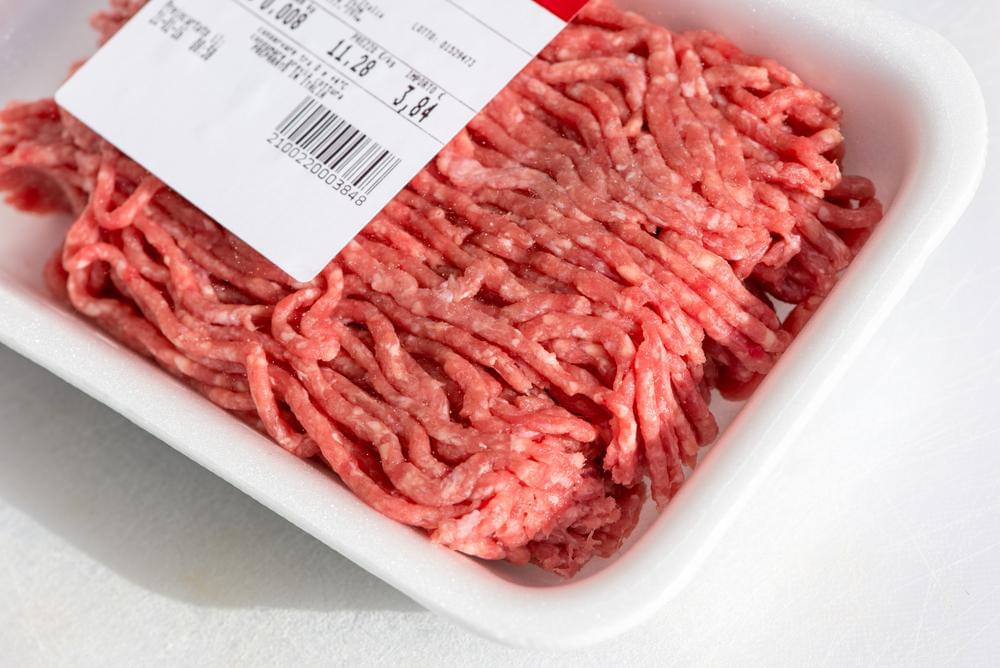
Ironically, the efficiency of U.S. beef production contributes to the challenge. Our system produces abundant higher-fat trim, which must be blended with lean beef to produce the ground beef that consumers demand. Rather than broadly increasing beef imports to push down prices, a more targeted approach would be to import just enough lean beef to balance domestic supply. That strategy would help keep packing plants running, stabilize the cow market, and continue meeting consumer demand without undercutting U.S. producers.
Looking ahead, additional threats loom, including the potential arrival of New World screwworm, which would be devastating to livestock producers nationwide. That is a subject worthy of its own discussion — and one we should not ignore. Let’s discuss this when we meat next month.