By Valley Ag Voice Staff
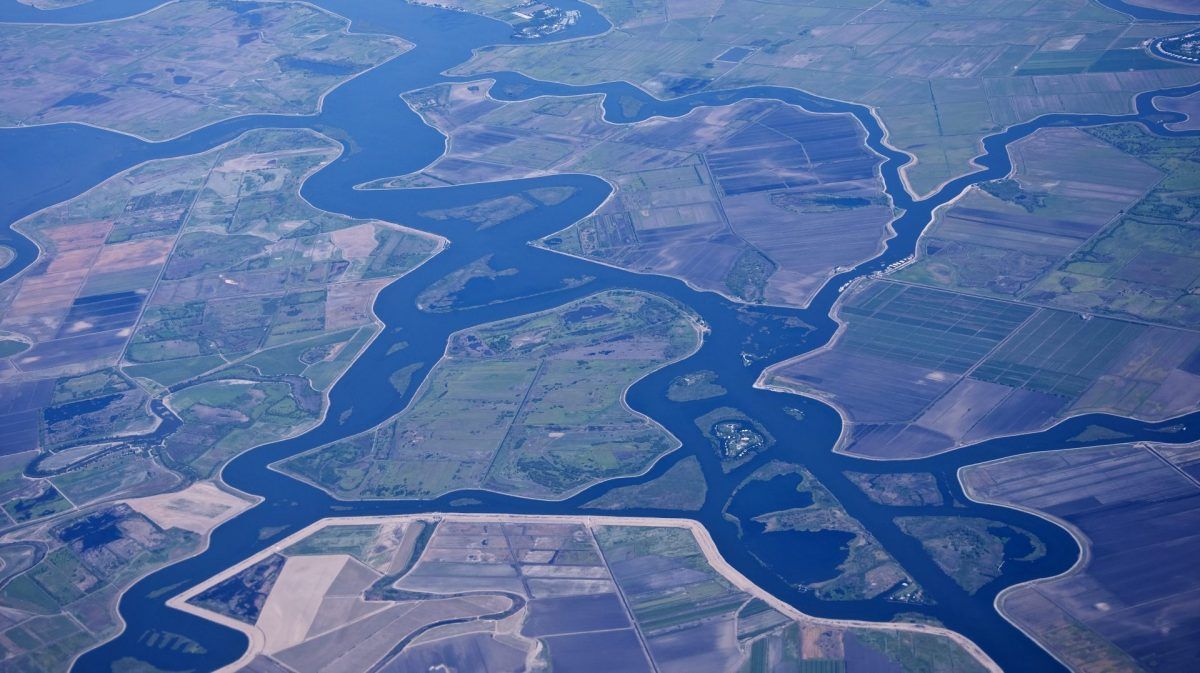
The golden mussel, an invasive species native to China and Southeast Asia, was initially detected in the Sacramento-San Joaquin Delta and O’Neill Forebay in October 2024, according to the California Department of Water Resources.
This species poses a threat to California freshwater and large populations impact water quality, physically displace native mussels and clams, and adversely alter the ecology of a waterbody which affects other aquatic animals and plants. According to the California Department of Fish and Wildlife, golden mussels consume large quantities of aquatic microscopic plants and animals that native species depend on for food.
“Their colonization of hard surfaces impedes water flow, clogs pipes, and fouls watercraft motors, and necessitates ongoing, costly removal to maintain operational function,” CDFW stated. “These costs result in economic impacts to water conveyances, energy production, recreation, agriculture, and ultimately the public.”
As of late 2025, golden mussels have been confirmed in over 50 locations across California, with significant concentrations throughout the Sacramento-San Joaquin River Delta and along major water conveyance systems.
The Department of Water Resources is currently investigating methods to stop the spread, partnering with agencies like CDFW and California State Parks’ Division of Boating and Waterways to inform boaters to clean, drain, and dry boats before entering and leaving waterways. DWR also routinely samples for adult and juvenile mussels at 18 State Water Project locations.
However, according to the Golden Mussel Response Framework, published in April 2025, while eradication is ideal, there are limited circumstances where invasive mussels could be completely eliminated. Potential options to suppress golden mussel populations include pilot testing chemical treatments, evaluating emerging genetic tools, and assessing physical controls such as tarping, water level manipulation and turbulence.
To receive updates on the status of these invasive mussels, sign up at https://wildlife.ca.gov/Conservation/Invasives/Subscribe. More information on watercraft inspections and additional resources are available on DWR’s website at water.ca.gov/mussels. To report sightings, notify CDFW’s Invasive Species Program by email at Invasives@wildlife.ca.gov or call (866) 440-9530.