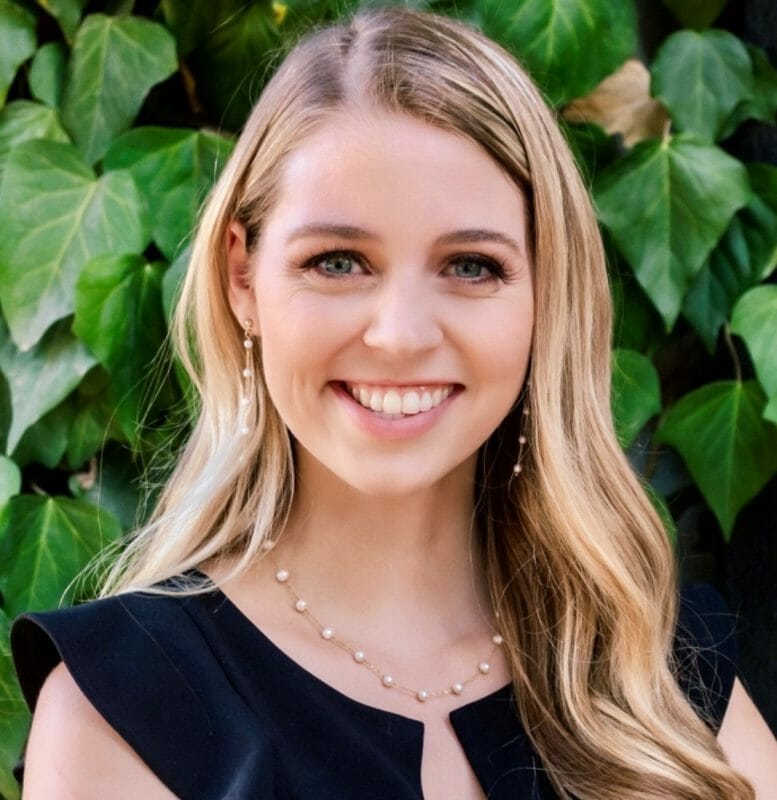
When I stepped into my role as Executive Director of the Kern County Farm Bureau, I knew agriculture was important, but I had no idea how layered, emotional, and complicated this industry could be, and I will be the first to admit that I had a lot to learn.
I did not grow up in farming, so I have spent the past few years reading everything I can, asking countless questions, and learning directly from the people who live this life every day. The deeper I dive in, the more respect I have for what our farmers and ranchers manage, and how much pressure they face…often quietly.
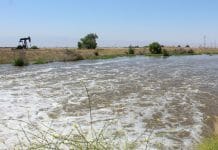
Last month, as I worked through my usual stack of articles and updates, I found myself feeling overwhelmed. One story detailed how invasive mussels are clogging water infrastructure, threatening water delivery systems that farms rely on. Another focused-on snowpack levels, explaining how not enough snow, even when paired with heavy rainfall, can disrupt water storage, groundwater recharge, and long-term planning. Yet another warned of the potential of another government shutdown. The list went on.
Each article highlighted a new layer of uncertainty, risk, and pressure. And while I am deeply connected to this world, I am not the one standing in the fields, managing crews, securing water, meeting payroll, or hoping the next season does not bring another unexpected challenge. I am part of this world now, but I am not living these realities every single day.
That realization made me pause and think about how to translate these challenges into terms that people outside of agriculture could truly understand.
Imagine getting a notice from your utility company saying your household water use will be limited, not because of your usage, but because supply is uncertain, and those limits could change month to month. Imagine your employer telling you your work schedule and income may fluctuate throughout the year based on factors outside your control, yet your bills, mortgage, and expenses remain the same. Or imagine being told that new rules now require costly upgrades to your home’s electrical, plumbing, or energy systems just to remain in compliance, regardless of whether your current system works perfectly fine.
Now imagine trying to plan your family budget, your savings, and your future without knowing if your income, utilities, or expenses will suddenly change next season. These scenarios feel unsettling. Yet for many farmers and ranchers, this level of uncertainty is simply part of daily life.
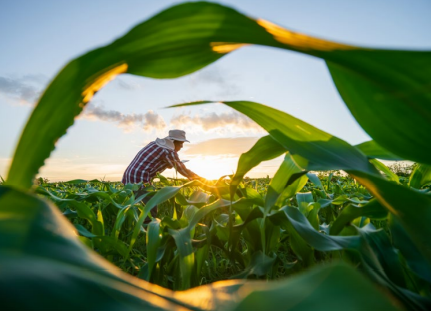
Water allocations shift. Regulations change. Labor availability fluctuates. Energy, fertilizer, and fuel costs rise. Equipment prices climb. Markets fall. And through it all, farmers are still expected to grow safe, affordable food for everyone. Agriculture exists in a constant state of unpredictability, where long-term planning is essential, but certainty is rare.
When I have conversations with people who are not part of the agricultural industry and frame these issues in relatable ways, something powerful happens. People begin to understand. They sympathize. They start to see farming not just as food that automatically is on the grocery store shelves, but as running a business under intense pressure, with enormous financial and emotional stakes.
That understanding is encouraging, but it also weighs on me. It is heavy because so many in agriculture carry these burdens quietly, often without recognition or public understanding. It weighs because food simply appears on shelves, and few stop to consider the stress, risk, and effort required to make that happen. But that awareness also fuels my determination.
Because this is exactly why the work of the Kern County Farm Bureau matters. Our job is to be a voice for agriculture. To advocate in policy discussions. To educate our community. To build bridges between consumers and farmers. To make sure those growing our food know they are not alone and that they have people standing with them, fighting for fair policy, practical regulation, and a future where agriculture can survive and thrive.
Agriculture is more than an industry. It is families, livelihoods, traditions, innovation, and a community. And it deserves understanding, respect, and support.
The more I learn, the more responsibility I feel to share these stories. Because when people understand what farmers face, they care. And when they care, they become part of the solution.
And that gives me hope…for our farmers, for our food system, and for the future of agriculture.