
By Todd Snider, President, Kern County Farm Bureau
When I think about agriculture, our wisest pursuit, I see more than bottom lines, harvest seasons, and regulatory setbacks. I see the people who work early mornings and late nights, who take their duty as stewards seriously, and who set the foundation of our local economy.
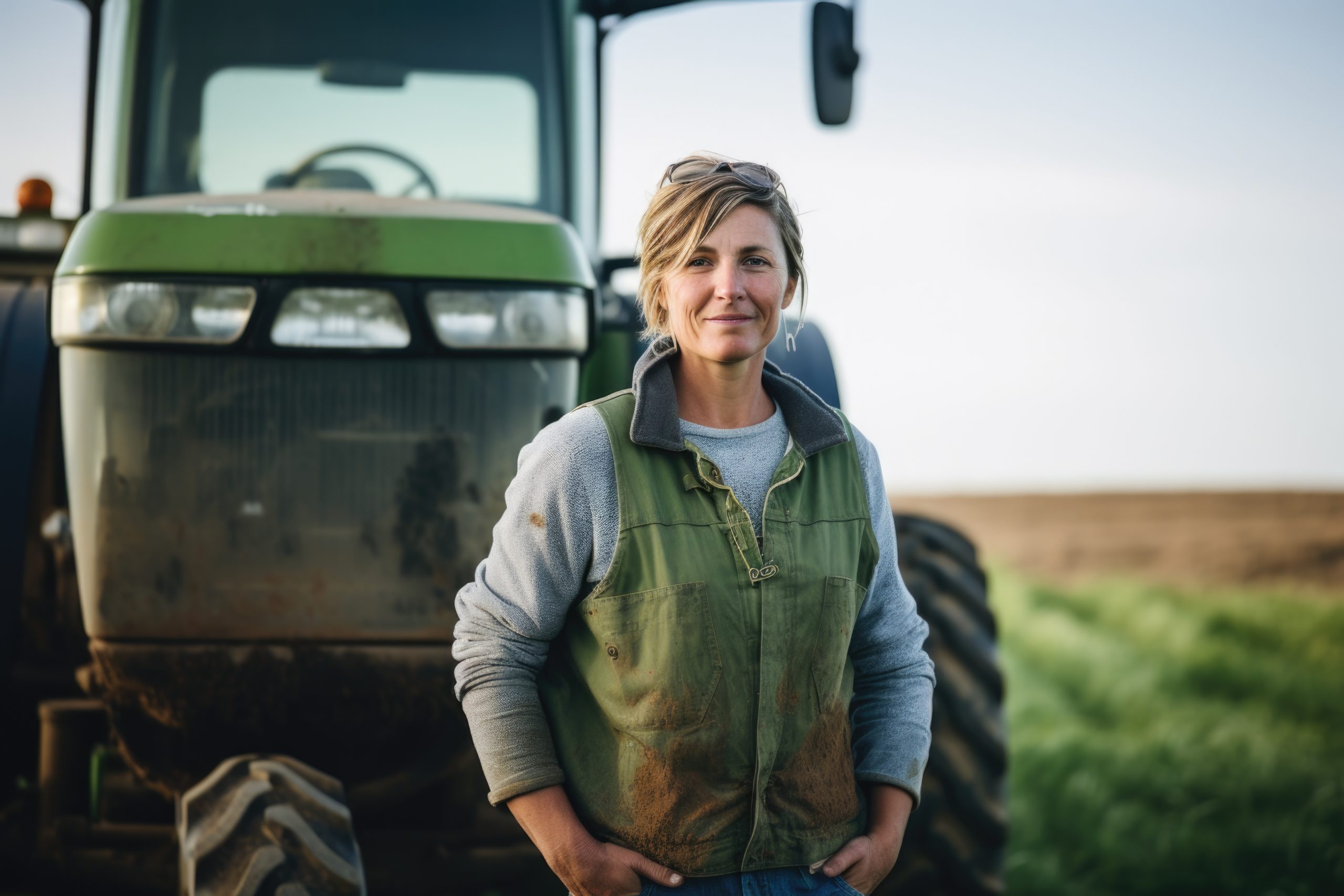
In that picture, it’s impossible to miss the women who have shaped the past, present, and future of agriculture in Kern County.
Fittingly, it is the International Year of the Woman Farmer. According to the U.S. Department of Agriculture, there are 1.2 million female producers across the country. In 2017, female-operated farms sold $148 billion in agricultural products and accounted for 38% of total U.S. agriculture sales, with 49% in crop sales and 51% in sales of livestock and livestock products. For Kern County, over 30% of producers are women.
But, beyond the numbers, the impact of women in agriculture has helped steer the trajectory of our local industry and our farm bureau. Women are showing up every day in orchards, dairies, research labs, and countless facets of the industry with strength and a kind of steady wisdom that doesn’t always get the spotlight.
Dating back to 1941, Fannie Tracy played a crucial role in saving Tracy Ranch after her husband William Tracy’s death, when the ranch was struggling from years of financial losses and declining operations in the wake of The Great Depression. Fannie rallied her children together during this crisis, organizing a partnership to keep the ranch moving forward. Through Fannie’s determination and coordination, the ranch transitioned toward more modern, mechanized farming and avoided collapse. Under Fannie, the ranch survived various hardships and tumultuous times, bonded by the philosophy, “When in doubt, do what is best for the ranch.”
In modern times, we have seen transformational leadership at the Farm Bureau from women who have been steady advocates for the farming and ranching community. During her time as president, my predecessor and fourth-generation farmer Jenny Holtermann, was tireless in her efforts to fight harmful legislation and keep our members informed of the state-level decisions that affect their operations. She also launched the quarterly Tailgate Talk programs, bringing timely agricultural safety, regulatory, and industry updates directly to local farmers. I know that I have big shoes to fill, and I am grateful to have witnessed her leadership and fierce dedication to our agricultural community.
The Farm Bureau is also led by Executive Director Rachel Nettleton, who keeps agriculture at the forefront of Kern County’s identity and future. Leveraging her background across multiple industries, along with strong skills in marketing, leadership, and relationship-building, Rachel has ensured that our members’ interests are well represented locally and statewide.
In our schools, we have a history of strong women leading the Future Farmers of America in Kern County. Female FFA advisors across the county serve as steady mentors for our next generation of agricultural leaders, investing countless hours to help young people find their place in local agriculture. I am proud to support our local FFA advisors and students as they carry Kern agriculture forward.
I also want to thank the women at Valley Ag Voice who strive to keep our farmers and ranchers informed of the issues that shape their work and future. As a reporter with a family background in agriculture, Natalie Willis has strengthened local agricultural storytelling, ensuring the realities of Central Valley agriculture are accurately represented and bringing important context to complex issues. We are also grateful for copy editor Lizzy Stevens, whose careful attention to detail helps ensure that every piece of reporting meets a high standard of clarity and accuracy. Her work may often be behind the scenes, but it is essential to maintaining the credibility and consistency readers rely on.
I’m grateful that my daughters are growing up in Kern County, where they can look around and see women working at every level of the industry. They’ll soon understand that they belong in any room, any field, and any future they choose.
All this to say, thank you. To the women who are steering the future of agriculture and who may not realize that they’re someone else’s role model.





