By Natalie Willis, Reporter, Valley Ag Voice
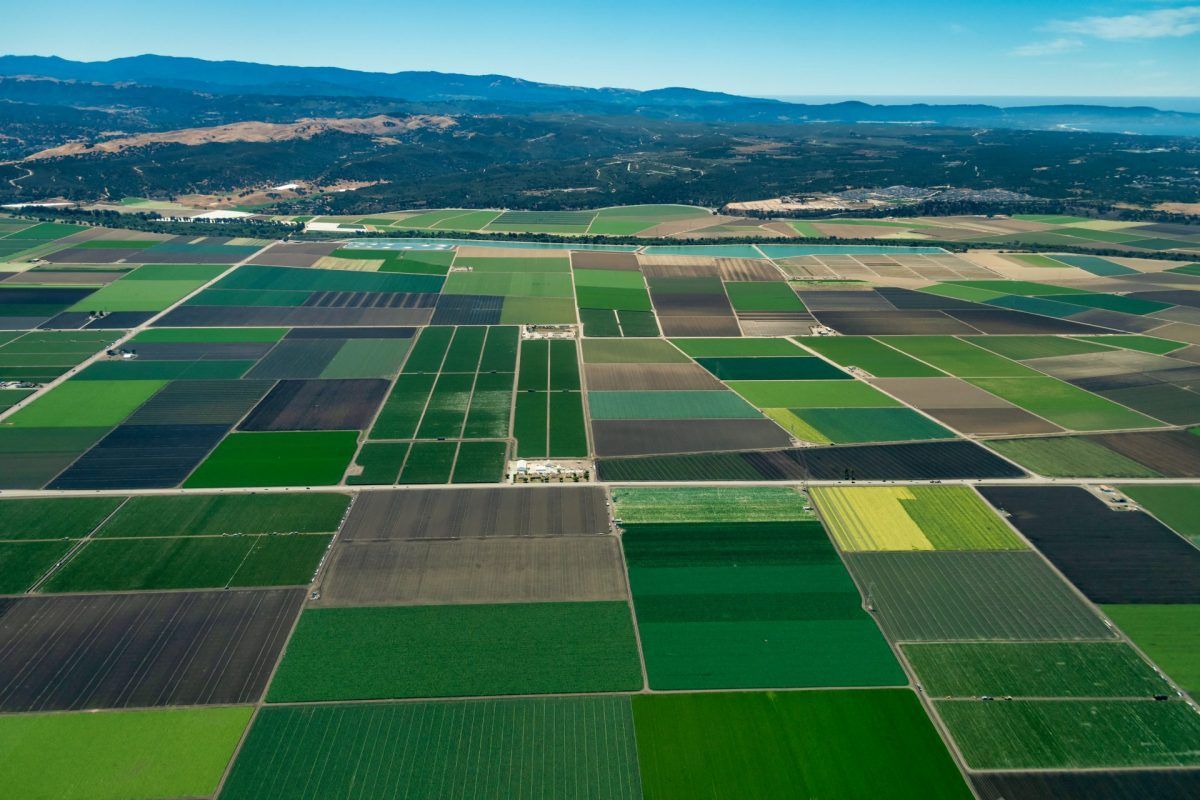
On March 10, Westlands Water District released its 2025 Crop Report, detailing acreage statistics for crops grown across the district’s 1,000 square miles of farmland in western Fresno and Kings counties.
The district’s top 10 commodities, categorized by acreage, include pistachios, almonds, processing tomatoes, wheat, Pima cotton, garlic, wine grapes, cantaloupes, onions, and Upland cotton. There are nearly 700 family-owned farms within Westland’s Water District that produce over 50 commodities, according to a press release.
“Water reliability directly translates to food reliability,” Allison Febbo, General Manager of Westlands Water District said in a press release. “When Westlands growers have access to essential water supplies delivered through the [Central Valley Project] that power agriculture, they produce the fruits, vegetables, and nuts Americans depend on every day. Agriculture in our District supports thousands of families, small businesses, and essential public services, while also providing the nutritious food that helps keep communities healthy.”
According to Westlands, over 242,000 acres were fallowed in 2025 due to unreliable water supplies, including 23,988 acres repurposed for solar.
On December 16, the Westlands Water District Board of Directors voted to adopt the Valley Clean Infrastructure Plan, an initiative to repurpose up to 136,000 acres of “drainage-impaired” and “water supply-limited” agricultural lands within the district for solar generation, energy storage, and transmission infrastructure.
According to Golden State Clean Energy, the master planner for the VCIP, no lawsuits were filed within the 30-day statute of limitations period for legal challenges following the Westlands board vote. This means the Final Programmatic Environmental Impact Report for the VCIP can no longer be challenged and implementation can begin.
The next development stage includes design and engineering activities, and potential construction could begin as early as 2028.