By Natalie Willis, Reporter, Valley Ag Voice
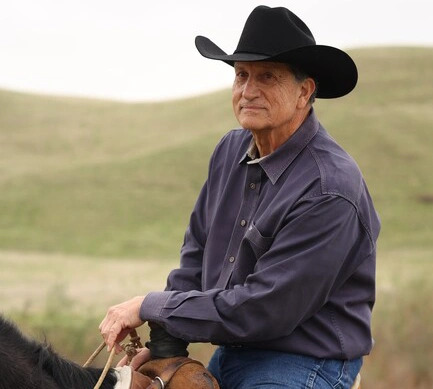
On March 3, Stan Ellis was officially sworn in as the Assemblymember for California’s 32nd District after winning the special election with more than 65% of the vote. The seat was left vacant by Congressman Vince Fong, who took over the 22nd Congressional District seat on June 3, 2024.
According to Ellis, he is committed to tackling water policy and regulatory burdens as he assumes office. Raised on a hog farm in South Dakota, he has maintained strong ties to agriculture through his pistachio orchard in the Central Valley.
“I own a small pistachio orchard, and you know, I’ve been in farming my whole life. I still own a ranch in the Midwest, and I know the amount of work that it takes, and the amount of labor that it takes, and the amount of resources that it takes to run a ranch,” Ellis said. “I also know that, from my experiences, if we had more state and federal water, our economy could grow by billions. We’re being held up by a bureaucracy and an endangered species that have no relevance at all to our local valley. It’s what’s really frustrating for me, so I’m going to work on water policy and do the best I can.”
Ellis referred to his support of the Water Blueprint for the San Joaquin Valley, a coalition advocating for water resource policies and projects that maximize a reliable water supply for farms and ranches, healthy communities, and the Valley’s ecosystems.
“We have federal water, we have state water, and then we have a whole bunch of agencies trying to get their hands on that water. We have a state endangered species, we have a federal endangered species,” Ellis said. “So, it’s really complicated, and we need the feds to work with the state to get some of these policies through, but I also think that at least pragmatic solutions like this Water Blueprint is a really good starting point.”
Beyond farming, Ellis has a background in quantum physics and has developed technology for the Department of Defense and the Department of Energy. He explained that quantum computers are poised to exponentially benefit Artificial Intelligence, which several farming technologies have begun to incorporate.
“There’s a lot of artificial intelligence being developed in the ag world, and it’s going to do nothing but enhance how we operate and how we harvest our orchards and how we prune,” Ellis said.
Ellis explained that the role of technology in agriculture will continue to impact the future of farming in the Central Valley, especially with regard to the current labor shortage.
Ellis also hopes to help ease the regulatory pressures farmers face, such as emission regulations and pesticide restrictions.
“We’re going too far. We’re costing our farmers an enormous amount of money. And then we have air regulations that are becoming cost prohibitive. Somebody’s going to have to put their foot down,” Ellis said. “We all want clean air. We all want clean water, but we need to be sustainable about it and economical about it.”
As he begins his new role, Ellis expressed his desire to work for Central Valley agriculture.
“I’m going to work for you 24/7,” Ellis said. “Call my office, call my chief of staff. Let’s get to work.”