By Natalie Willis, Reporter, Valley Ag Voice
Past a vast expanse of windmills and hidden in the Tehachapi mountains, lies a quiet 22-acre ranch with a powerful mission to serve veterans and first responders.
Founded by Army veterans Vanessa Brito and her husband, Devyn Barron, Barites Veteran Ranch is a working regenerative micro-farm where veterans, first responders, and their families can reconnect with animals, the land, and one another.
The ranch originated in 2019 in Norco, California, before the couple moved operations to Tehachapi last June. Over the past five years, Barites Veteran Ranch has expanded to include a variety of livestock — with miniature cattle being a focal point — and offers hands-on classes and activities for visitors, including skills like chicken-raising, gardening, and cheesemaking.
The ranch is open to the public, but veterans and first responders, as well as their families, can participate in all activities for free.
As tremendous as an undertaking as it is now, the ranch began with one duckling.
“One year, my mom gave me a little duck after we had both gotten out of the military,” Brito recalled. “So, the little duck turned into five little chickens and one little duck. And then it slowly went into the next Christmas, where [Barron] got me two little goats…and I got him two little bulls, and then we bought a horse. It just kept on happening.”
Through interacting with animals, Brito and Barron felt a quiet kind of healing begin to take root, helping them process the unseen wounds of their service.
“We would go out and spend time with them, and we started noticing that it kind of helped us get out of our own heads…so then we were like, ‘Well, let’s have some friends come over and see,’ and it just went from there,” Barron said.
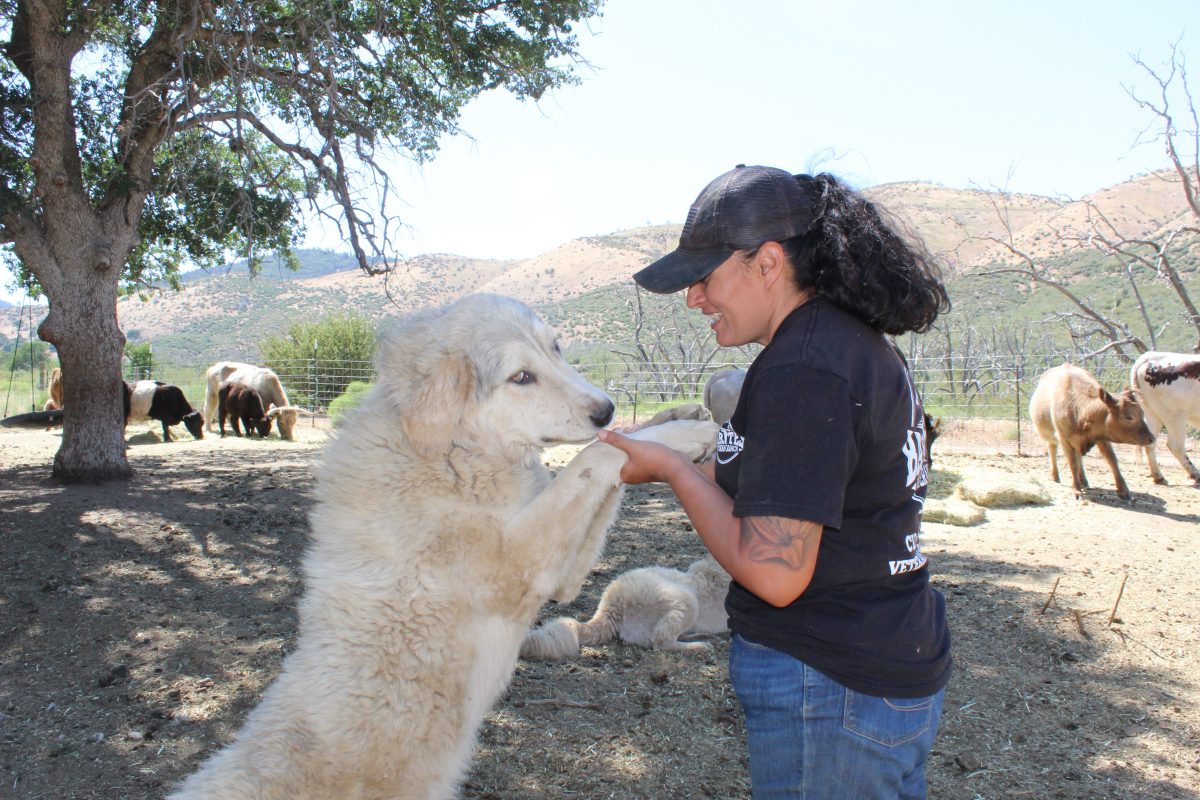
As Brito and Barron began branching into new areas of production — like making cheese from their dairy cows — the idea of hosting classes naturally followed.
“We were like, ‘We could teach other people to do this…we can offer this opportunity.’ It’s a learning experience, and we offer it to anyone, but for veterans and first responders, everything’s free,” Barron said.
He explained that one of their classes is a comprehensive chicken course, where veterans raise chickens as soon as they hatch. Each week, they return to the ranch to observe its growth, learn how to balance its feed, care for it properly, and ultimately take their chicken home at the end of the program.
“It’s self-directive. What do you want to learn? What do you want to do?” Barron said.
While the livestock is central, Barites offers more than just educational classes. According to Brito, at its core, the ranch is a sanctuary for veterans dealing with PTSD, anxiety, or simply seeking peace — a place where they can show up, relax, and just be, with no expectations and no pressure.
Additionally, Barron explained that it offers an opportunity to bring families together.
“Because when you’re going through all this stuff, when you’re dealing with all these things, you need your family. You really need your family…It’s nice to be able to offer a sanctuary, especially where we’re close to town, but it’s far enough away that when you get here, you feel like you’re in the middle of nowhere,” Barron said. “That’s how we felt when we got here, and that’s how a lot of folks that have come up have explained it. You can’t see anybody. There’s nobody around. And so, you’re able to just focus on this and not focus on what’s going on in your head.”
Brito shared that, for one former police officer and veteran, the ranch became his first step out of isolation. Now, he’s volunteering, teaching others, and has become a regular at the ranch.
“He’s like, ‘Oh, I cannot wait to come back. I want to be here. I want to hang out. I want to talk to these other people, and I want to show them what I know, too,’” Brito said. “It’s very encouraging to see them go from ‘I don’t want to go out the door’ to ‘I don’t want to leave.’”
MINI MOOS
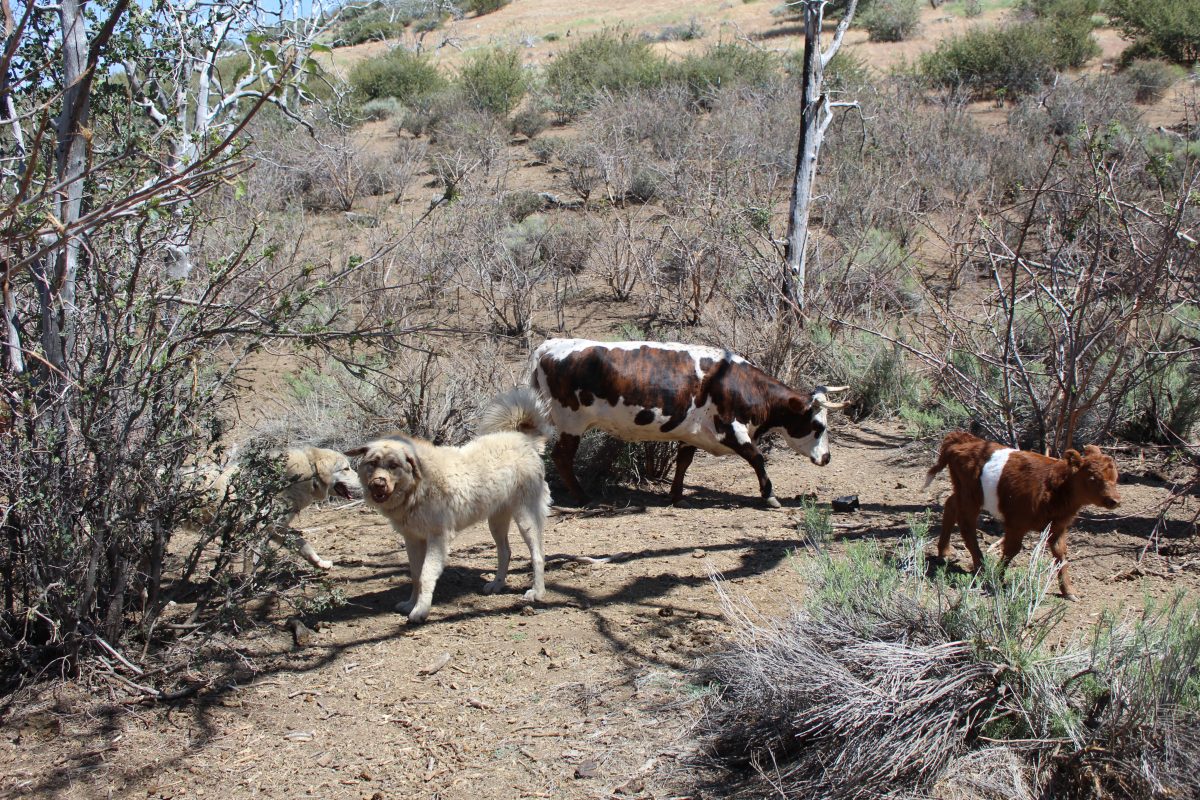
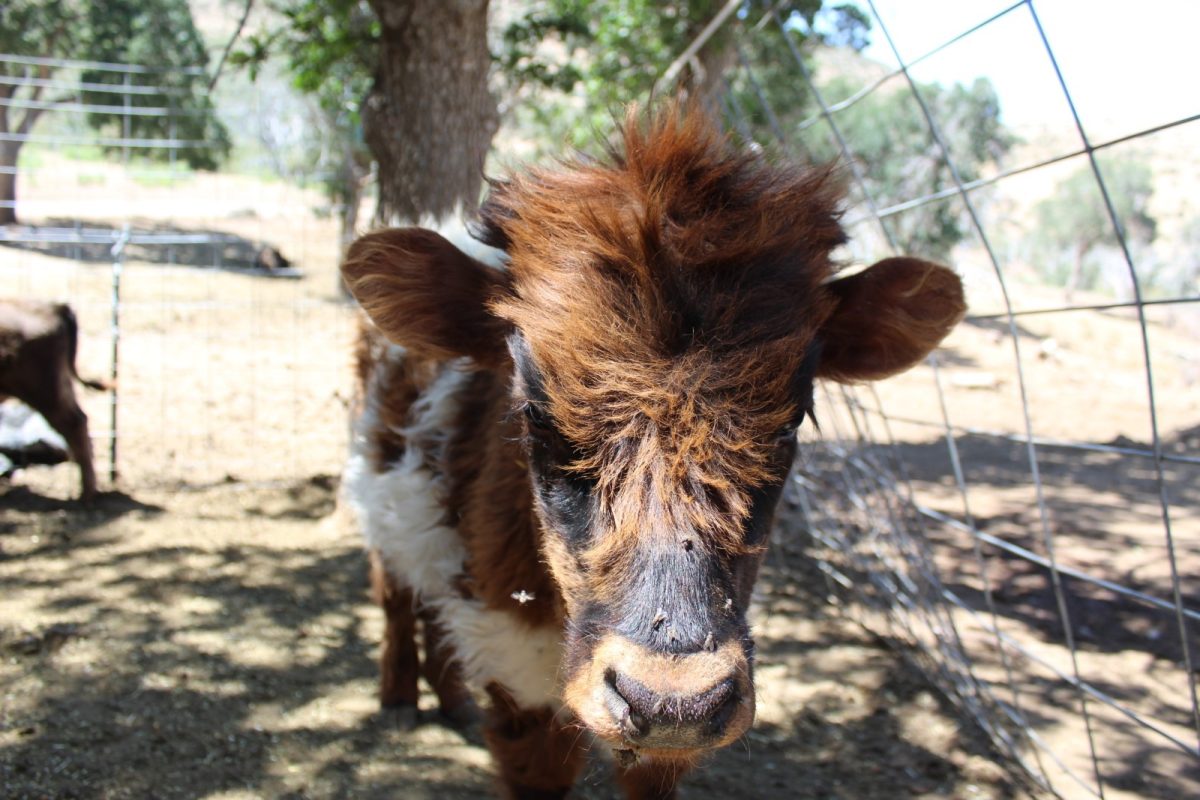
In addition to their mission of helping veterans heal, miniature cattle have become the beloved symbol of Barites Veteran Ranch — and quite possibly, the cutest one imaginable.
Brito explained that they raise micro, mini, and mid-mini cattle to sell, which primarily sustains the ranch.
The mini cattle operation is as heartfelt and quirky as it is therapeutic and educational. Full of characters with names like Sundae, Banana Split, Buttercup, and Miss Piggy, the herd has grown to be more than a group of adorable animals — they also function as therapists.
“They hold all of our secrets,” Brito said. “Our kids, whenever they feel like they can’t talk to anybody else, they can come and just let it all out to their animal. It’s very therapeutic.”
She smiled, then added with a laugh, “And they won’t say anything, who are they going to tell?”
Each cow at Barites has a backstory. Take Ember, once deemed “scary” from a 300-acre ranch, now a sweetheart who melts for an eye rub. Or Joanie, a silver-haired highland cow who nearly took out Barron the first time they met. Then there’s black-and-white sisters Ivy and Poppy, nicknamed the “double stuff twins” by amused neighbors, on account of their waddling stride and round bellies.
The list goes on with cows from different backgrounds and sizes, some with dwarfism, some without, and all loved and cared for with attention to genetics, temperament, and health.
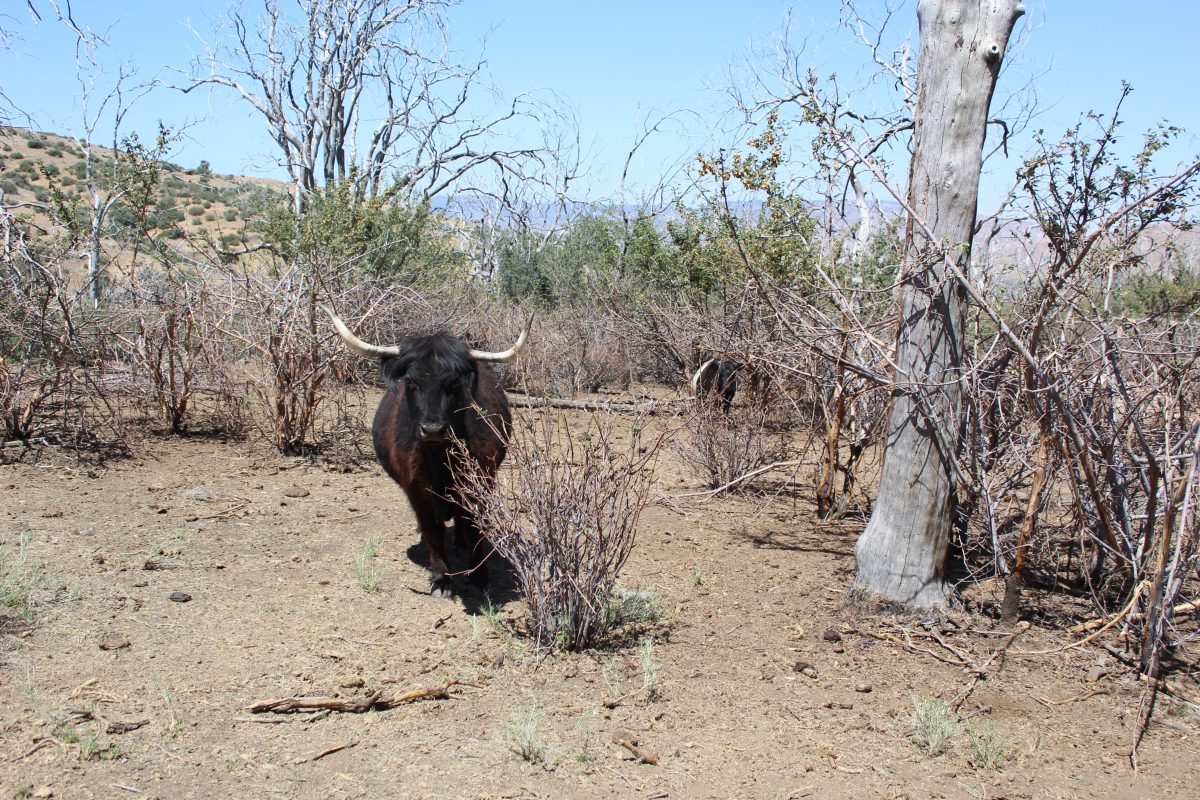
Behind the cuteness is a serious effort to breed healthy, sustainable lines of miniature cattle. The ranch works hard to avoid passing on chondrodysplasia, which is a form of dwarfism that can lead to deformities or birth complications.
The ranch weans and trains calves until they are ready to go to their new homes, which range from family photographers looking for a session prop to preschool programs integrating farm life into the classroom. Buyers are encouraged to visit to learn the cow’s lineage, genetics, and care techniques. Out-of-state buyers receive weekly training videos of their calves.
At its core, Barites’ mini cattle program is a reflection of everything the ranch stands for: healing, purpose, family, and a love for animals. Whether it’s a child bonding with a calf or a veteran finding peace in a quiet moment, these cows are partners in the ranch’s mission.
“It’s a beautiful life,” Brito said.
SUPPORTING THE RANCH
The ranch is self-funded by its owners and sustained through livestock sales. Every calf, chicken, or lamb sold goes right back into maintaining the ranch, from feed to fencing and infrastructure.
Supporters of Barites Veteran Ranch can contribute by texting “Minimoo” to 53555 via Givebutter or by purchasing items from the ranch’s Amazon Wishlist.
But Brito explained that the best way to help is spreading the word.
“Just getting the word out would really help pull in more people who don’t necessarily know about us further out,” Brito said.
To learn more about the ranch, visit www.baritesveteranranch.com.
Above all, Brito and Barron emphasized that veterans and first responders are always welcome. There’s no pressure, no expectations — just reach out, or simply stop by. The gate is open.