Built for local farmers and ranchers, the Grange is seeking feedback on how it can serve the agricultural community again.
By Natalie Willis, Reporter, Valley Ag Voice
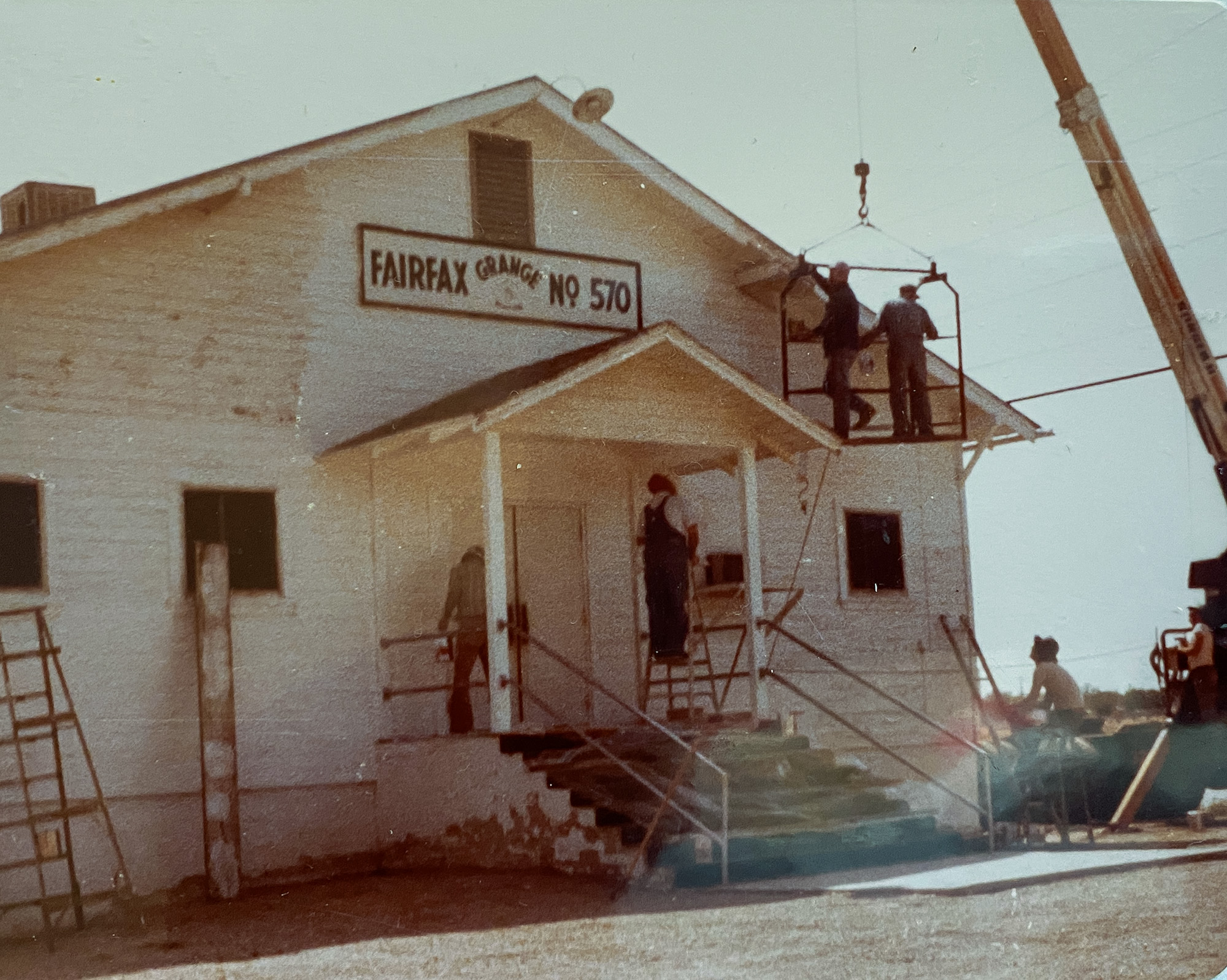
Before it was a dance hall, before its stage hosted local gatherings, before its walls held nearly a century of memories, the Fairfax Grange was an idea of community fostered by a group of farmers and ranchers.
Fairfax Grange 570 was originally chartered in 1934, President of the Grange John Harrer explained. It was part of a much larger movement through the National Grange which emerged in the years following the Civil War as a way for farmers to organize, exchange ideas, and face the challenges of agricultural life together.
“From that organization, the Granges started growing and they were a way for farmers to get together and share ideas and kind of help each other,” Harrer said.
For an independent farmer, he explained, a broken wagon or injury could mean crops were left unharvested, so neighbors often needed to lean on one another. By the 1930s, Rosedale, Panama, Buttonwillow, Tehachapi, and other Kern County communities established their own Granges. At one point, there were nine Granges in Kern County.
Fairfax Grange 570 is the last remaining active grange hall in Kern County, Harrer explained.
According to Harrer, Fairfax Grange held its first meeting at the nearby Fairfax School in 1934, but as the community grew, a need for a permanent meeting location arose and the community banded together to raise funds to build a hall.
“Every time they had a meeting, they held two a month, everybody at the end of the meeting would empty their pockets of change into a basket,” Harrer said. “According to the minutes, they would raise $1.52 or $2.25 each meeting, and this went into their fund. The women kind of started working together, and they started making bake sales and having things of that sort to try and raise money.”
Despite these efforts, members began losing hope that they would ever locate the right space at the right price. Based on the historical meeting minutes, Alfred Harrell — who was associated with the Bakersfield Californian newspaper — attended a meeting and listened as members debated whether they could afford to keep pursuing a building of their own.
“Alfred Harrell stood up in the back, and he [basically] said, ‘Listen, if I can just say a word, you guys are doing some really great work here. You should keep going. You should build a community center. You’ll appreciate it at the end. I’m going to write you a check for $50 for the building fund to boost your coffers so that you can continue doing that.’”
Harrer explained that this donation greatly boosted morale and the members renewed their efforts to raise the necessary funds. In October 1940, Fairfax Grange held its grand opening event, welcoming 450 people into their new hall.
From that point on, the Grange became a place the community could depend on, Harrer explained.
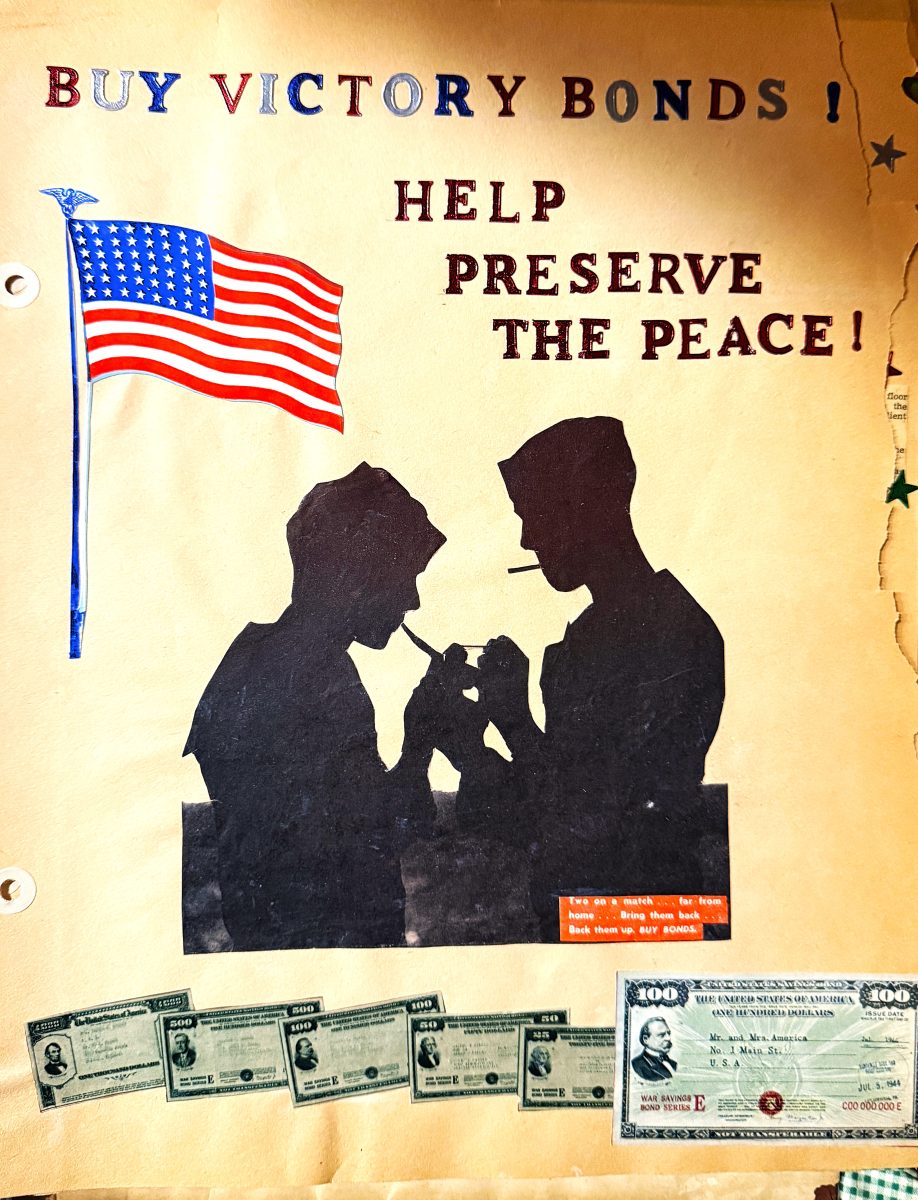
“That history of community was really key to the Grange’s existence in those 40s, 50s era because the war started and the Grange sold bonds to its members. They had a couple of members as servicemen. They took buses down to [Los Angeles] so that they could donate blood for the servicemen. The women would sew robes for the servicemen that were in the hospital,” Harrer said. “After the attack on Pearl Harbor, they were contacted by the Defense Department to be a shelter in case California was attacked and bombed. They immediately bought the coverings for the windows to make them all black so they could black everything out. They just were a part of the community.”
According to Harrer, the Grange was established under democratic structure, which meant that its members — including women — were given equal voting rights from the organization’s earliest days.
He referenced a story from old meeting minutes that captured that democratic spirit. During that meeting, one of the Grange’s male members proposed that the hall should ban women from wearing pants at dances. Harrer explained that several women were in attendance at the meeting and the idea was quickly voted down.
Immediately after that vote, the man’s wife made a motion that the men should prepare the potluck and wash the dishes at the next meeting. That vote passed unanimously.
“I think there was a quiet ride home after that,” Harrer said.
MY GRANGE DEPENDS ON AG
Harrer explained that, along with hosting dances, the Grange continued to play a major role in the local farming industry. During the Grange’s regular meetings, a lecturer would join them to present on farming practices or policies, Harrer explained. Members discussed cotton varieties, crop prices, and considered the issues afflicting certain agricultural commodities.
Most consequentially, the Grange advocated for agricultural water supplies. According to Harrer, one speaker attended a meeting at the Grange to discuss the California State Water Project.
“In the minutes, they said that a man came in and lectured to the group about how the water was going to help Central Valley farmers, but the water wouldn’t go to individual farms, it would go to farm districts,” Harrer said. “The Grange said, ‘We have to help people, we have to help farmers get together and form water districts to ensure farmland gets the water. Otherwise, you might just go flowing right on by us.’”
Thus, Harrer explained that the members and leadership of the Grange were instrumental in lobbying for agriculture as the water project moved forward.
NEXT CHAPTER
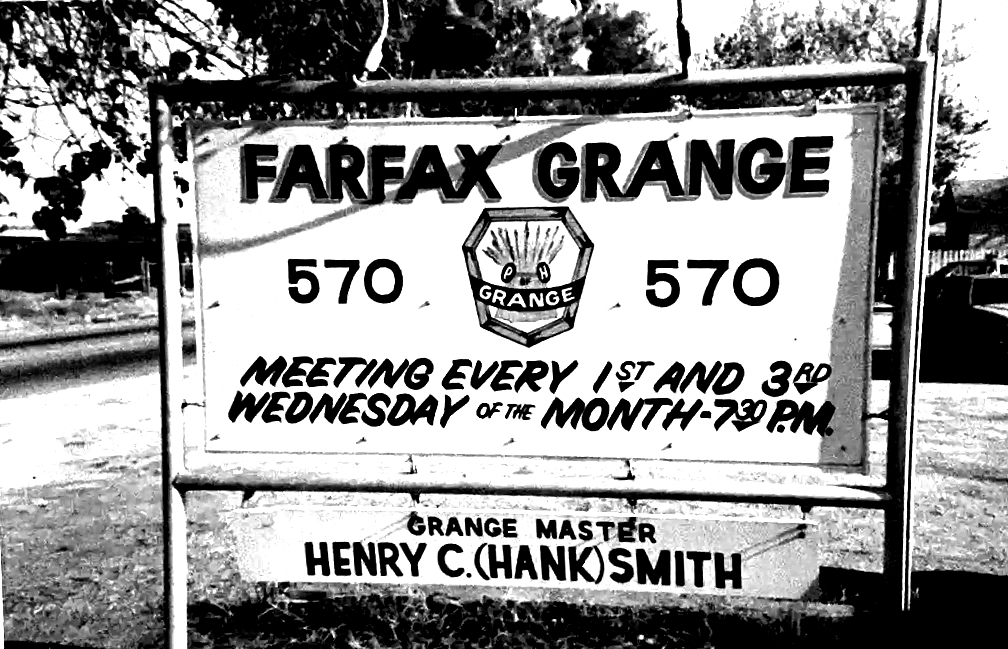
The historic Fairfax Grange still stands today, representing a piece of Kern County agricultural history that has survived economic hardship, war, and changing farming practices.
While the hall has become a popular space for dancing and other social events, Harrer is hopeful that the agricultural industry can find community within its walls again.
“We have a building and we have a history. We have a willingness to help, but we just need someone in the ag community to tell us where we can be genuinely useful,” Harrer said.
He noted that the Kern County Farm Bureau recently hosted one of its Tailgate Talk events at the Grange and explained that there could be similar opportunities to utilize the space for industry gatherings.
Harrer invited local farmers, ranchers, and agricultural organizations to reach out to Fairfax Grange to share their thoughts, needs, and how the space can best serve them.
To learn more about Fairfax Grange 570, visit its website at https://fairfaxgrange570.wordpress.com/ or call (661) 731-3671.