Joshua Stevens, Faith Contributor, Valley Ag Voice
This will be the first of several articles dedicated to providing a reasonable defense for Protestantism, particularly why some may choose to be Protestant rather than a member of the Catholic or Orthodox tradition. These articles will focus on arguments outlined in last month’s article, which you are encouraged to read to have more background on the topic.
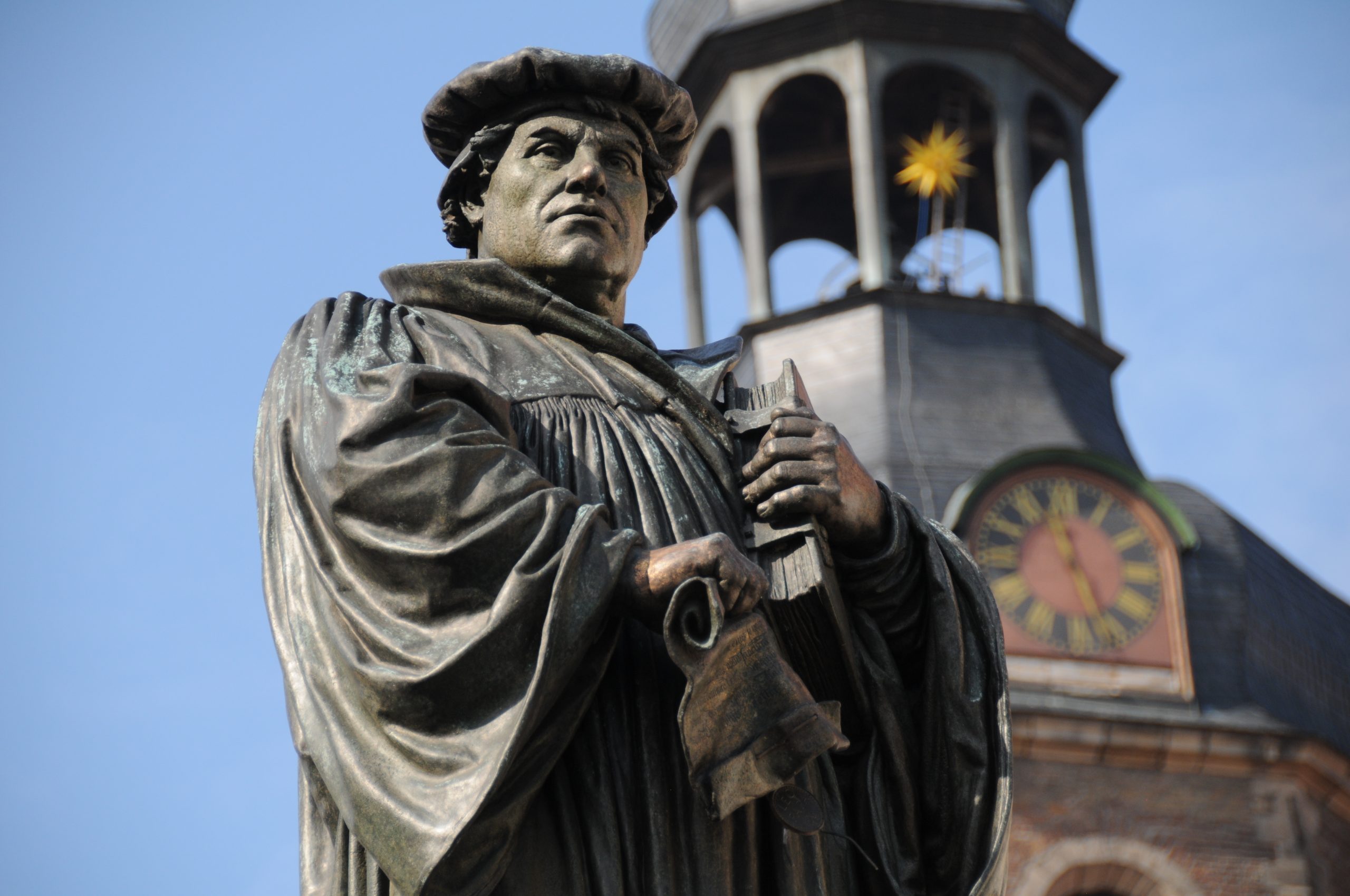
To properly defend Protestantism, we’ll start by defining it. Protestantism is an umbrella term to refer to Christians whose doctrinal beliefs arose from the Protestant Reformation.1 From the beginning of the Reformation in 1517, we see a variety of beliefs from so-called “high church” denominations such as Anglicans to “low church” denominations such as nondenominational. The reference to “high” and “low” church is to gauge the amount of ritual, liturgical readings, and the like that a denomination may use during its service.2 Protestants agree on the main issues, being found plainly in scripture and identified as the five solas, which are
Sola Scriptura, or by Scripture Alone, is the belief that Scripture is the ultimate authority in a Christian’s life. No belief can contradict it, and all beliefs necessary for one’s salvation can be found in it.3
Solus Christus, or Christ Alone, is “Simply put, Christ alone must connect all the doctrines of our theology because Christ alone stands as the cornerstone of all the purposes and plans of God himself. But if we misinterpret who Christ is and what he does in his life, death, and resurrection, then all other doctrines will likely suffer.”4
Sola Fide, or Faith Alone, is the belief that we can do nothing to achieve our salvation; it is the gift of God we receive by faith alone in Christ alone. Faith alone is the mechanism by which is often called, “a great and marvelous exchange.” Referring to Christ’s sacrifice on the cross as the propitiation for our sins.5
Sola Gratia, or Grace Alone, is the rallying cry of the Reformation, and for many, it can be summarized in this way, “We are saved by grace and grace alone. If it is not alone, it is not grace.”6
Soli Deo Gloria, or Glory to God Alone. To say this is to believe, “God created, sustains, governs, and saves in such a way as to reveal his glory. That’s his goal.”7
These five principles guided the reformers; though they never wrote them down, they developed over time. These principles continue to guide Protestants today as we continue in the pattern of reformation that began five hundred years ago. As such, Protestantism, from Lutherans to Pentecostals to nondenominational evangelicals, would all find themselves under the branch of Protestantism.
Subsequent articles will attempt to accomplish two things: first, to provide an affirmative case for Protestantism and, second, to show where the arguments from Horn and others should not be a cause of concern to any Protestant. This series’ objective is to provide a joyous hope to Protestants that we do not believe and hold to these traditions simply because there is no better option but because we are confident in what we believe regarding these important topics.
These articles, however, are not intended to proclaim Protestantism generally or any denomination specifically as superior. There are many issues inside our own tents that we need to address. It is my hope that this series will stir in those who read it a renewed boldness in their faith, and we can see the Western Evangelical and Protestant churches turn away from focusing on an earthly kingdom and turn to serving an eternal King.
Will you pray with me?
Lord, thank you for the opportunity you have given us to contend for our faith. To be able to think, reason, and debate such vital ideas with our brothers and sisters in Christ. As we go through this series, we ask that you reveal yourself and your will to each of us. So we may set our eyes on you to walk in the ways you have set before us, continuing to do the work you have prepared for us. In Jesus’ name, we pray,
Amen.
References
Stanley, M. (2024, July). What Is a Protestant? The History, Beliefs & Lasting Impact of Protestantism. Retrieved from logos: https://www.logos.com/grow/what-is-protestant/
GotQuestions. (n.d.). What is meant by High Church and Low Church? Retrieved from GotQuestions : https://www.gotquestions.org/high-church-low-church.html
MacArthur, J. (2021, August 27). What Does “Sola Scriptura” Mean? Retrieved from ligonier: https://www.ligonier.org/learn/articles/what-does-sola-scriptura-mean
Zondervan Academic. (2019, October 16). 5 Reasons Solus Christus Is at the Center of the Five Solas. Retrieved from ZondervanAcademic: https://zondervanacademic.com/blog/solus-christus
Barrett, M. (n.d.). The Five Solas. Retrieved from TheGospelCoalition: https://www.thegospelcoalition.org/essay/the-five-solas/
Kraby, C. (n.d.). Sola Gratia: Salvation by Grace Alone. Retrieved from reasonabletheology: https://reasonabletheology.org/sola-gratia-salvation-by-grace-alone/
Piper, J. (2017, August 30). Soli Deo Gloria. Retrieved from desiringGod: https://www.desiringgod.org/messages/soli-deo-gloria