By Valley Ag Voice Staff
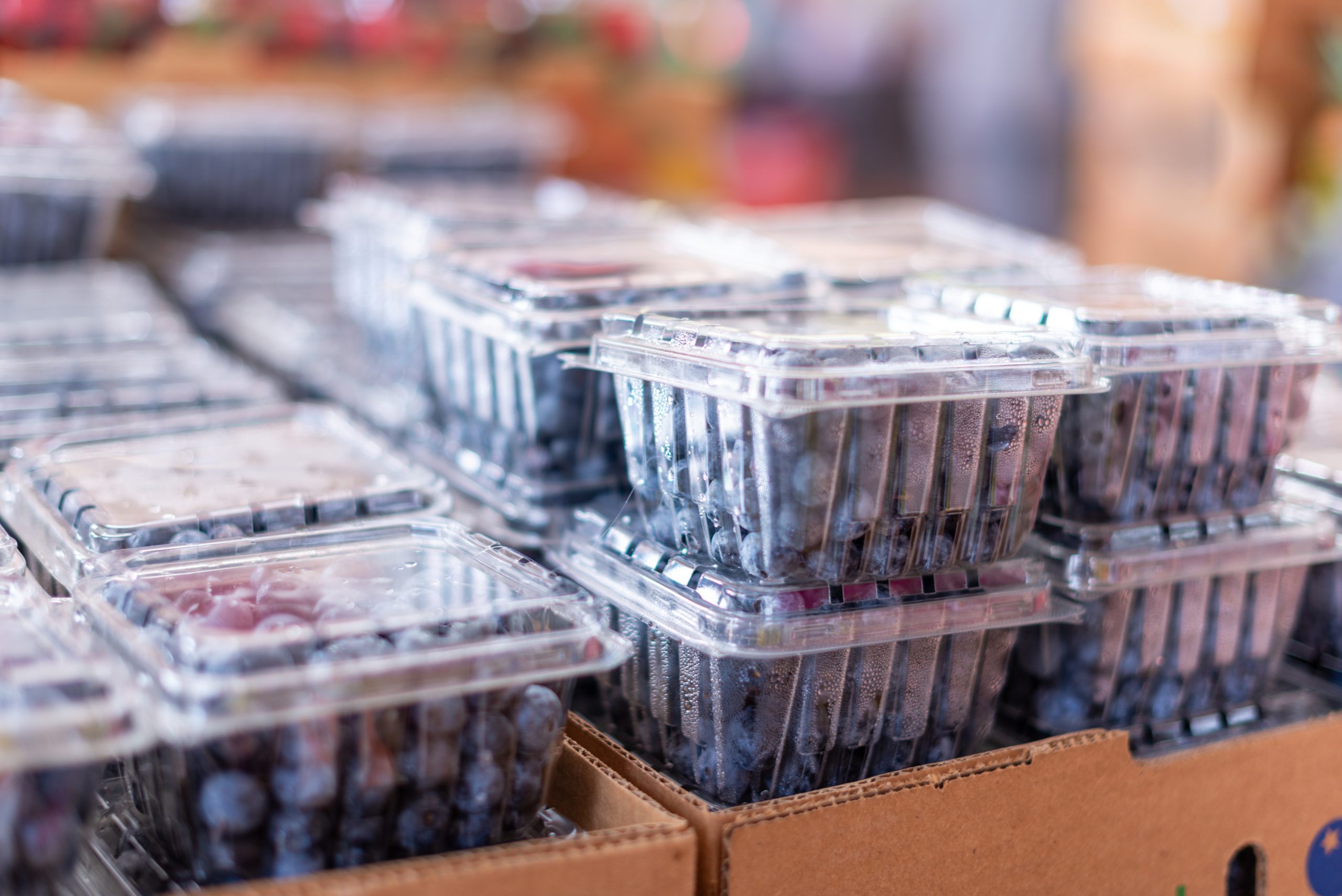
Under Senate Bill 54, signed by Governor Newsom in 2022, the financial burden of collecting, processing, and recycling packaging and single-use plastic foodware was shifted from consumers and local governments to producers.
Since the passing of the Plastic Pollution Prevention and Packaging Producer Responsibility Act, the California Department of Resources Recycling and Recovery has been working on rules to meet the 2032 goals to cut single-use plastic packaging and food service ware by 25%, recycle 65% of it, and make all such items recyclable or compostable.
The rulemaking tasked to CalRecycle was delayed by Newsom over concerns about cost burdens for businesses and consumers. He instructed the department to withdraw its proposed regulations and start over.
Newsom’s decision to pause and restart the rulemaking process struck a chord with many in California’s agricultural sector, where rising input costs are already squeezing margins. For growers and producers, the added financial pressure of packaging regulations is a real-world concern that affects day-to-day operations.
“As a grower, we are always concerned with costs – everything from water, labor, fertilizer, and other inputs,” Don Cameron, president of the California State Board of Food and Agriculture, said in a press release. “Packaging, whether done in the field or at the cooler, has an impact on a farm’s bottom line. I support cutting plastic pollution but underscore that it is adding more costs to producers in a difficult economic time for agriculture.”
Concurrently, the Circular Action Alliance — the organization responsible for helping implement SB 54 — is undergoing leadership changes and moving into a critical phase of building out the systems and policies that will shape how packaging waste is reduced, tracked, and reimbursed.
In a May news release, the CAA announced that Rachel Wagoner, former director of CalRecycle and the executive director of CAA’s California program, will shift into an external advisory role starting next month. Wagoner led CalRecycle when SB 54 was passed.
CAA is searching for a new operational executive director to guide its work in California.
“CAA’s work on California’s SB 54 is entering an accelerated phase,” Jeff Fielkow, CEO of CAA, said in a press release. “With the informal rulemaking period underway and final regulations on the horizon, we’re intensifying our focus on building a robust program plan, reimbursement mechanism to enhance the recycling system, and reporting systems to meet California’s ambitious recycling and waste reduction goals.”
The CAA registration for California producers opens on August 1, with a deadline of September 5. Producers can start submitting their data on September 15, and all reporting must be completed by November 15.
Agricultural producers should prepare to report how much packaging they used in 2023 during this window in 2025.
On reimbursement, CAA is building a statewide database to assess California’s recycling infrastructure and calculate the additional costs of meeting SB 54 requirements. Using 2022 recycling costs as a baseline, CAA said it will identify new costs that qualify for reimbursement dating back to January 1, 2023, and plan for future needs beyond 2027.
“To build a strong and effective program, CAA is actively engaging with producers, trade associations, local governments, service providers, end markets, environmental justice organizations, nongovernmental organizations, and other interested parties,” the press release stated. “These ongoing dialogues are essential to deeply understand on-the-ground realities and ensure the program plan is both practical and effective. As CAA’s work progresses, numerous additional opportunities for stakeholder input on specific program components will be announced, continuing a truly collaborative approach.”