By Emma Stephens, Contributor, Valley Ag Voice
On April 30, 2026, the 2026 Farm Bill, or the Farm, Food and National Security Act of 2026, passed out of the House of Representatives with a bipartisan vote of 224-200 and is being considered by the U.S. Senate.
According to Senator John Boozman (R-AR), Chairman of the Senate Committee on Agriculture, Nutrition and Forestry, the Senate markup will not be held before the July 4 recess.
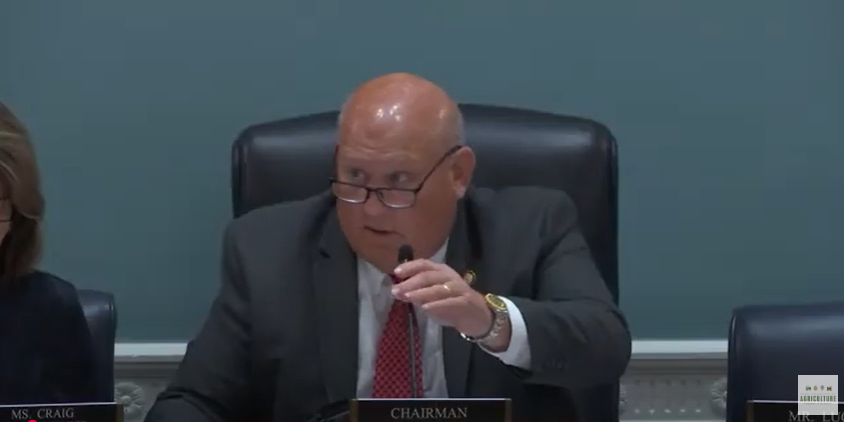
The 2026 Farm Bill was introduced to the House on Feb. 13, 2026, by Chairman of the House Committee on Agriculture Glenn “GT” Thompson (R-PA). On March 5, 2026, the House Committee on Agriculture ordered the bill to be reported to the full House with a vote of 34-17.
The 2026 Farm Bill is long overdue as the 2018 Farm Bill originally expired on Sep. 30, 2023. The 2018 Farm Bill has been extended through the year 2026 after an extension that was passed in November 2025.
This new Farm Bill has also been referred to as the “skinny” bill because it is a smaller, more concise version, as several traditional spending items were covered by the One Big Beautiful Bill Act (OBBBA).
The OBBBA provided updates and provisions for agriculture through 2031. These provisions included the extension of numerous safety net commodity programs, modernization of crop insurance, continued funding for conservation programs, new funding for research initiatives, extension of energy programs, support systems for specialty crop producers, updates to disaster assistance programs, reformed Supplemental Nutrition Assistance Program (SNAP) benefits, new funding for livestock provisions, and tax provisions for farmers.
As such, the 2026 Farm Bill primarily focuses on policies not addressed in the OBBBA. It covers all 12 normal Farm Bill provisions but is streamlined on urgent issues not covered by current legislation. The bill will focus on programs that deal with land conservation, rural development, agricultural research, nutrition programs, horticulture, forestry, and other agricultural issues.
This bill’s main focus is on the reauthorization of multiple programs that deal with land conservation, agricultural trade, international food aid, agricultural loans, rural community support, forest restoration and conservation, energy for rural and agricultural areas, animal disease prevention and numerous other agricultural support programs.
“It is clearer every day that farm country needs updated policy that reflects current challenges, and the 2026 farm bill fills that gap,” Thompson stated in a press release.
If enacted, this bill would replace the 2018 Farm Bill and be used through the 2031 fiscal year.