By Natalie Willis, Reporter, Valley Ag Voice
Agricultural water supplies continue to face hurdles in the Central Valley, ranging from potential Tulare Lake groundwater basin probation to environmentalist-sought legal battles. Compiled with new state regulations on water rights and groundwater adjudication filing standards, farmers and ranchers in the San Joaquin Valley enter yet another obstacle in supplying the nation’s food.
The California State Water Board staff drafted a report in Oct. to inform its probationary hearing on the Tulare Lake Groundwater Subbasin in April 2024. In a press release, the SWB marked the Tulare Lake basin for deficiencies that “negatively impact infrastructure and communities.”
The Department of Water Resources determined that the Tulare Lake Subbasin in Kings County and five other basins had inadequate Groundwater Sustainability Plans and thus required state intervention. Tulare Lake is the first of the six basins to be scheduled for a hearing.
Categories for determining inadequacy include the percentage of wells at risk of running dry due to over-pumping. Tulare Lake’s basin was reported to have 27 dry wells and an estimated 698 wells at risk of going dry during drought years.
“The intervention process is meant to support SGMA’s primary goals, which are to protect groundwater supplies while also facilitating sustainable management at the local level. Our aim is to work with GSAs to improve their plans so intervention is no longer needed,” Eric Oppenheimer, chief deputy director for the SWB, said in a press release.
If the board determines to place the Tulare subbasin on probation, most groundwater pumpers will be required to report groundwater usage and pay state fees 90 days following the start of probation, according to the SWB. Concurrently, the five groundwater sustainability agencies overseeing the basin — Mid-Kings, South Fork Kings, El Rico, Southwest Kings, and Tri-County Water Authority — will be tasked with creating a new GSP within a year in order to terminate probation.
However, if the SWB does not find the plan acceptable, the probation may be extended, or it may trigger further state intervention, including the state board’s implementation of its own plan. The probationary hearing is set for April 16, 2024, at 9:30 a.m. in the California Environmental Protection Agency Headquarters Building in downtown Sacramento. Participation is also available remotely.
ENVIRONMENTAL STRATEGY
Since the implementation of SGMA in 2014, environmentalists and agriculturalists have been at odds in determining where limited water resources should be allocated. Recently, the California Supreme Court rejected an appeal from the Westlands Water District requesting a permanent water contract with the Bureau of Reclamation.
The case Westlands Water Dist. v. All Persons Interested was a response to the district’s request to draw water from the Central Valley Project through a permanent contract instead of the temporary agreements it has been operating under. The contract was issued in 2020 under President Trump’s administration, but it was not enforceable until validation from a state court.
Opposition to the contract was raised by a coalition of Native Americans, fishermen, scientists, and conservation groups. According to a press release from the Hoopa Valley Tribal Council, the contract states that Westlands fulfilled its obligations and made full repayment, which the council deemed as false.
“Westlands Water District would not exist without the Trinity River’s water. They have no surface water,” Hoopa Valley Tribal Chairman Joe Davis said in the release.
The rejection of the contract comes a month after the water district met its goal of recharging 200,000 acre-feet of groundwater. Its new goal expects 275,000 acre-feet of groundwater recharge by February 2024.
“Farmers in Westlands cautiously recognize that the next drought is only a matter of time, and the district’s robust recharge projects will provide a lifeline to hundreds of family-owned farms during periods of prolonged drought,” Jeff Fortune, board president, said in a press release. “Updating our target after hitting our goal demonstrates that our farmers’ commitment to sustainability extends beyond rhetoric. We are ‘all-in’ for building a more sustainable water future for the San Joaquin Valley.”
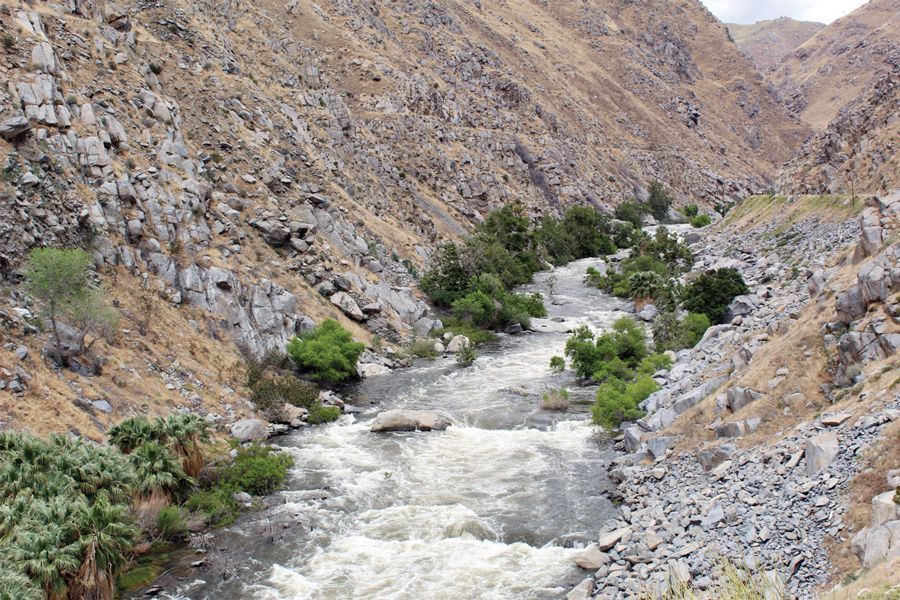
Along with legal disputes against water districts and SGMA GSPs, environmental battles have taken root in the Kern River. According to reporting from SJV Water, 40% of water flowing from the Kern River through Bakersfield will be allocated for fish populations.
Following this ruling from Kern County Superior Court Judge Gregory Pulskamp, various ag districts filed a motion for reconsideration under claims that they were not afforded due process. Further, SJV Water explained that the order takes an additional 180 cubic feet per second from water rights holders.