By Natalie Willis, Reporter, Valley Ag Voice
Lawmakers in California are weighing a slate of new water-related proposals during the 2025–2026 legislative session, several of which could have direct impacts on the state’s agriculture industry.
As these proposed regulations move through their respective committees and public hearings, stakeholders across the agricultural sector are closely monitoring their potential implications.
AB 1146
Introduced by Democratic Assemblymember Diane Papan, Assembly Bill 1146 would prohibit the release of stored water from a state reservoir under “false pretenses.” To enforce this prohibition, it would authorize the State Water Resources Control Board to issue an interim relief order and impose penalties of $10,000 for each day of violation.
“The bill would also require these penalties to apply to the United States to the extent authorized under federal law, as specified,” the bill text states.
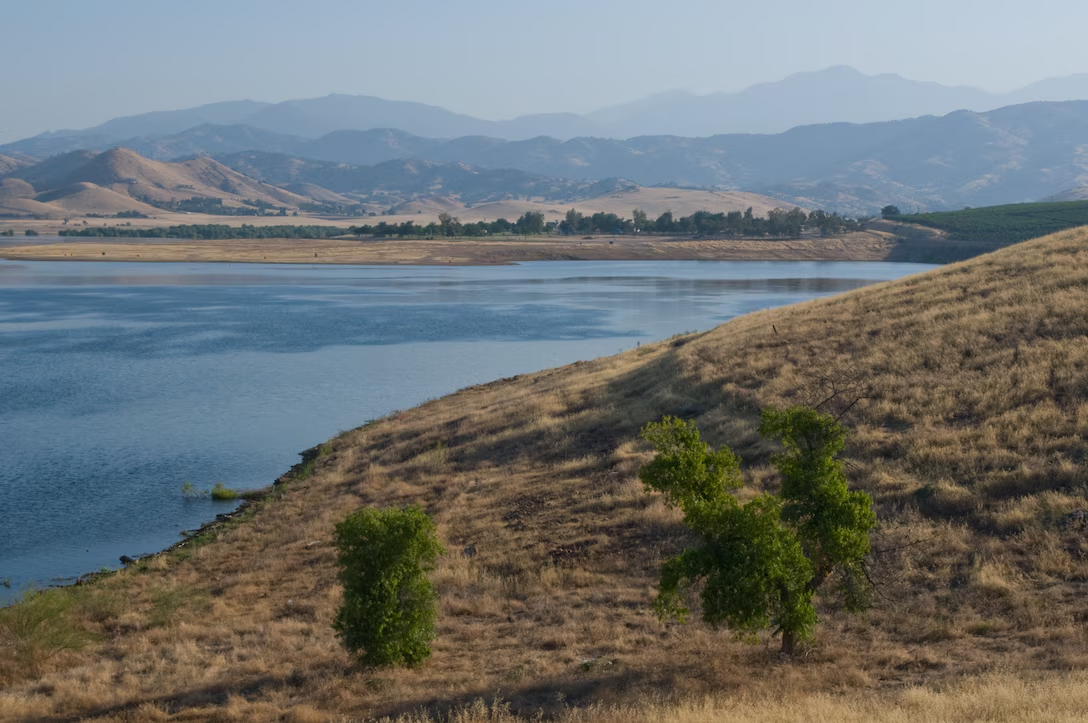
During an Assembly Standing Committee on Water, Parks, and Wildlife hearing on April 29, Papan explained that AB 1146 is a response to water releases from Success Lake and Kaweah Lake ordered by the Trump Administration on Jan. 30, 2025.
“I label this the ‘You Don’t Have to be a Victim’ bill,” Papan said.
For context, on Jan. 30, 2025, the Trump Administration informed water managers overseeing the Tule and Kaweah rivers that it would soon begin releasing water from Success Lake and Kaweah Lake following a Jan. 24 executive order from President Trump directing federal agencies to prioritize efforts to deliver additional water supplies to support wildfire suppression efforts in Southern California.
Releases on Success Lake went from 50 cubic feet per second on Jan. 30 to 1,000 cfs on Jan. 31, before returning to 50 cfs on Feb. 2. Releases from Kaweah Lake went from 3 cfs on Jan. 30 to 1,500 cfs on Jan. 31 and returned to 3 cfs on Feb. 2.
Several agricultural organizations and water associations oppose the bill as it creates an enforcement mechanism for a single, vague cause of action — “false pretenses.” They argue that even if the bill had been in effect during the water release, the state would still lack the legal authority to impose an interim relief order on the federal government due to federal preemption and sovereign immunity.
As a result, only state and local agencies would be subject to such orders. Opponents warn that creating this type of interim relief authority sets a troubling precedent and could lead to broader and more frequent attempts to expand its use.
Among various others, those in opposition include the Almond Alliance, American Pistachio Growers, California Cotton Ginners and Growers Association, California Walnut Commission, and Western Growers Association.
AB 929
Another Assembly bill introduced by Democratic member Damon Connolly would exempt managed wetlands and small community water systems serving disadvantaged communities from a groundwater sustainability agency’s authority under the Sustainable Groundwater Management Act until Jan. 1, 2029.
AB 929 would prohibit GSAs from imposing fees on managed wetlands or small community water systems serving DACs if the water use for each user does not increase above the extractor’s average annual extraction from 2015 to 2020.
By unfairly exempting certain water users from paying GSA fees, opponents argue that the bill complicates GSA compliance with constitutional requirements to assess fair charges on all of its beneficiaries
Opponents also argue that other non-exempt water users — such as agricultural users — would face higher fees.
SB 601
Senate Bill 601, authored by Democratic Senator Benjamin Allen, aims to preserve requirements under the federal Clean Water Act for certain waterways as they were before May 25, 2023. It would require businesses or builders to show they have the correct federal or state water permits when applying for local licenses.
SB 601 would also increase civil penalties under the Porter-Cologne Water Quality Control Act.
Those in opposition argue that the bill’s citizen suit provision — which would allow private individuals to sue under the Porter-Cologne Water Quality Control Act — will significantly increase litigation, especially due to the vague and broad definition of “nexus waters.”
They argue it could result in frivolous or predatory litigation, similar to what happened under Proposition 65, driving up costs for businesses, local governments, and ultimately taxpayers.
Opponents include the African American Farmers of California, Agricultural Council of California, Almond Alliance, Association of California Egg Farmers, Association of California Water Agencies, and California Association of Winegrape Growers, among others.