By Natalie Willis, Reporter, Valley Ag Voice
Water regulations, once enacted, tend to fade from public discussion, but their effects continue to shape agricultural operations. When the Sustainable Groundwater Management Act was passed in 2014, it was a major headline for farmers, environmentalists, politicians, and anyone with a stake in California water.
Now, with SGMA compliance deadlines approaching in the next 14 years and the State Water Board threatening probation for critically overdrafted basins, attention has largely focused on groundwater regulation. However, this focus often overshadows other longstanding but equally impactful regulations that continue to shape California’s agriculture and water policy.
BAY-DELTA PLAN UPDATES
On October 25, 2024, State Water Resources Control Board staff released a draft of potential updates to the Water Quality Control Plan for the San Francisco Bay/Sacramento-San Joaquin Delta Watershed — otherwise known as the Bay-Delta Plan.
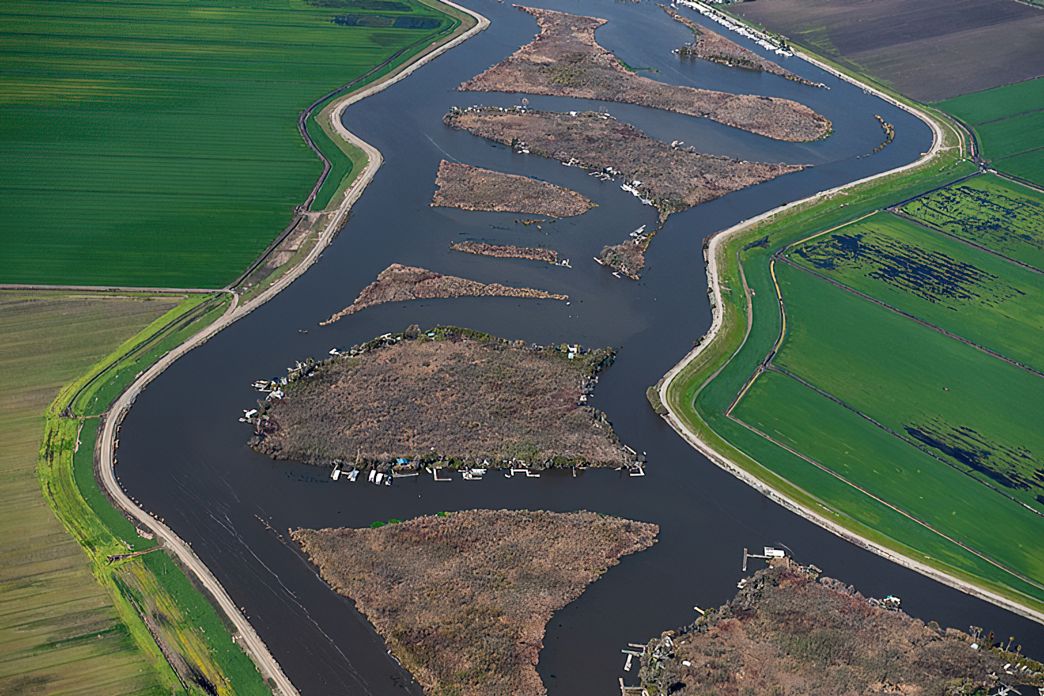
The Bay-Delta Plan is a set of water management policies for the Sacramento-San Joaquin Delta aimed at balancing the competing needs of agricultural, urban, and environmental water uses. Draft staff updates include a proposal to dedicate 40% of the flow in the San Joaquin River to a salmon species without clear evidence that this increased flow will improve fish returns.
According to the draft staff report, the proposal seeks to “maintain inflow conditions from the San Joaquin River watershed to the Delta at Vernalis sufficient to support and maintain the natural production of viable native San Joaquin River watershed fish populations migrating through the Delta.”
However, the Association of California Water Agencies explained that the state’s proposed unimpaired flow approach would have significant impacts on farms and California communities by limiting drinking water supplies as well as irrigation water supplies.
“The complex issues facing ecosystems in the Delta watershed require a coordinated, comprehensive approach. Water managers have demonstrated that preserving and restoring fishery resources requires an integration of measures for both water supply and ecosystem management,” an ACWA report stated. “Negotiated voluntary agreements have proven successful and the most effective means for achieving the policy of coequal goals. The successful recovery of salmon on Butte Creek in the Sacramento Valley is an example of where this approach has worked.”
The aforementioned voluntary agreements are a set of agreements between state, federal, and local water agencies to improve river health in California’s Sacramento and San Joaquin Rivers, intended to be a more efficient and creative way to meet regulatory goals.
As of now, the State Water Board is currently considering the draft updates to the Bay-Delta Plan focused on the Sacramento River and its tributaries, Delta eastside tributaries, interior Delta flows, and Delta outflows, including consideration of proposed voluntary agreements.
SWB staff held 10 meetings from January 2025 through March 2025 to receive further input on the draft updates to the Bay-Delta Plan. The last meeting is scheduled for March 4 from 10 a.m. to 12 p.m. with a focus on Tribal provisions.
The input received during these meetings will inform a revised draft of proposed updates to the Bay-Delta Plan for additional public comment and Board consideration.
30X30
Another water regulation to keep in mind is Executive Order N-8220 — 30X30 — which Governor Newsom issued in October 2020. The order requires the conservation of 30% of California lands and coastal waters by 2030.
In a report by Edward Ring, Director for Water and Energy Policy at the California Policy Center, he explained that the authority, jurisdiction, and efficacy of this initiative is unclear. According to the Executive Order, state agencies are directed to develop strategies that balance conservation with economic sustainability, food security, and climate adaptation.
The order emphasizes sustainable land management, habitat restoration, and wildfire resilience. Additionally, it prioritizes collaboration among Native American tribes, local governments, businesses, landowners, and environmental groups. Involved state agencies include the California Natural Resources Agency, California Department of Food and Agriculture, and California Environmental Protection Agency.
According to a news release from Governor Newsom’s office on Jan. 7, 2025, the state’s total lands conserved through the 30×30 initiative is at 25.8% and 26.1 million acres. Identified pathways to achieving the initiative, according to the 30×30 California website, include conserving private lands through conservation easements which are “financial incentives to landowners aiming to conserve wetlands, agricultural lands, grasslands, forests, and other critical ecosystems throughout California.”
There are five more years left to achieve the 30×30 initiative. Monitor the latest updates through the initiative’s Pathways Engagement page on the 30×30 California website.