By Natalie Willis, Reporter, Valley Ag Voice
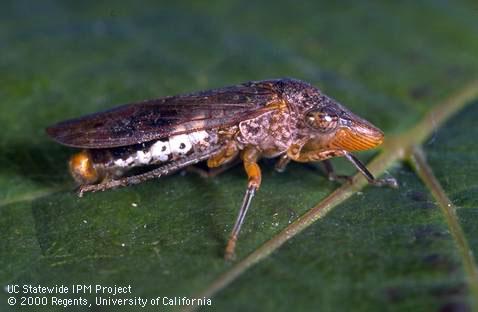
On August 11, the Pierce’s Disease and Glassy-Winged Sharpshooter Board at the California Department of Food and Agriculture approved $820,000 in emergency funding to help stop the spread of the destructive glassy-winged sharpshooter.
The invasive insect was found on grapevine shipments sold at select Costco locations in Northern California between April 21 and May 19, 2026, as well as on desert willows sold at Costco locations between June 24 and July 3, according to the University of California Integrated Pest Management Program.
According to a CDFA press release, the glassy-winged sharpshooter has been found on customer plants in 22 California counties. These large leafhoppers can lead to outbreaks of Pierce’s disease in winegrapes, which is fatal. Pierce’s disease kills grapevines by clogging their water-conducting vessels, or xylem.
California’s wine industry generates roughly $73 billion in annual economic activity, the CDFA press release explained. If the GWSS continues to spread, outbreaks of Pierce’s disease could cost winegrape growers an additional $56 million a year in lost production and vine replacement.
“California’s winegrape industry is facing some of the hardest economic times in a generation, but we recognize what is at stake if this destructive pest becomes established in Northern California,” Trey Irwin, PD/GWSS Board chair said in a press release. “Putting $820,000 from the Board’s limited reserves toward this effort is a major commitment for our industry and shows how seriously we’re taking this threat.”
The $820,000 comes from assessments paid by California winegrape growers to support pest and disease research and prevention.
CDFA directed individuals who suspect they have found a glassy-winged sharpshooter to contact their local agricultural commissioner’s office.